

The Essentials of Biohazard Cleanup: Keeping Your Space Safe

Biohazard cleanup is a critical process that ensures safety and health in environments affected by hazardous materials. Whether it's a crime scene, a medical incident, or any place contaminated with biological waste, understanding the essentials of biohazard cleanup can help maintain a safe space for you and your loved ones. In this blog, we'll explore what biohazard cleanup entails, why it's important, and how to approach this sensitive task with care and professionalism.

Understanding Biohazard Materials
Biohazard materials can include anything from blood and bodily fluids to certain medical waste. Recognizing these substances is crucial, as many people might not be aware of what constitutes a biohazard. For instance, leftover surgical equipment, laboratory samples, and discarded needles all fall into this category.
The key to understanding biohazards is recognizing situations where safety could be compromised. Think about a home that experiences a serious injury. It’s not just the blood present that presents a risk; surfaces that have come into contact with it can harbor dangerous pathogens for extended periods. Identifying these scenarios early can mitigate health risks.
Furthermore, awareness goes beyond just the physical substances. Emotional impact plays a role too. Being in an environment marked by trauma can weigh heavily on those who enter it. Understanding the depth of what’s involved in biohazard cleaning helps to prepare both the mind and body for what lies ahead.
The Risks of Inadequate Cleanup
Failing to properly clean a biohazard scene can have severe health implications. Exposure to infectious materials can lead to serious diseases, some of which may have lasting effects on the body. What people often overlook is that pathogens do not discriminate—they can affect anyone who enters the contaminated space.
Additionally, the legal repercussions can be daunting. For example, if you allow a potentially hazardous situation to go unchecked, it could lead to lawsuits or fines should health complications arise for others. It makes a strong case for why immediate and thorough cleanup is essential; it protects both physical health and your legal standing.
It’s worth noting that the emotional toll can be just as heavy as the physical risks. Being involved in an inadequate cleanup can lead to long-term psychological stress. Anxiety, guilt, and fear of contamination can linger, impacting daily life. Understanding these risks prompts individuals and businesses to approach biohazard situations much more seriously.
When to Call Professionals
While minor incidents may be manageable, major biohazard situations often require professional help. Recognizing when to call in experts is crucial. For instance, if there is significant blood spill or hazardous waste, it’s time to hand over the job to those trained in handling such materials.
In addition, you’ll also want to consider the emotional complexity of the situation. For traumatic events, having professionals manage the cleanup can provide peace of mind, allowing affected individuals to focus on healing rather than the daunting task of restoration.
Professional biohazard cleanup teams bring specialized training and equipment that’s vital for ensuring a thorough and safe cleanup process. This not only guarantees the space is sanitized but also alleviates the stress of having to deal with it personally. If there’s any doubt about the extent of a biohazard, it’s always better to err on the side of caution and call for help.
Essential Steps for Biohazard Cleanup
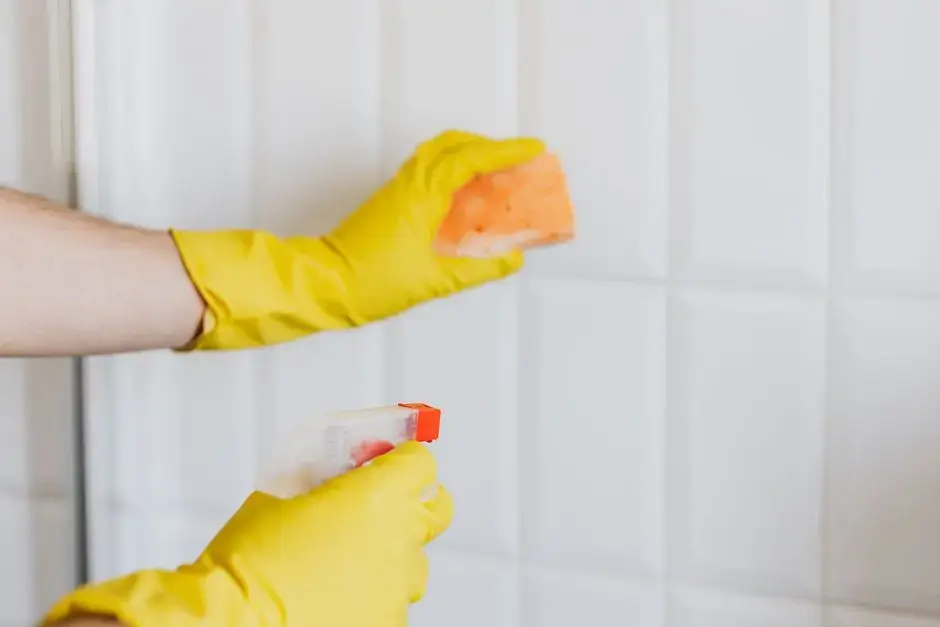
This section outlines the critical steps involved in biohazard cleanup, starting with personal protective equipment (PPE). Before any cleanup effort begins, ensure you’re wearing the appropriate gear, which might include gloves, masks, and goggles. These items provide a crucial barrier against exposure.
Next up is the proper identification of the materials involved. Knowing what biohazards you are dealing with—whether blood, medical waste, or otherwise—will inform your next steps, especially in terms of disposal methods. Each type of biohazard has its protocols, so understanding these is key to effective cleanup.
Finally, proper disposal of materials cannot be overstated. Biohazardous waste must be placed in specially marked containers and disposed of according to local regulations. It’s not merely about cleaning; it’s about being responsible and ensuring that harmful materials don’t end up causing issues elsewhere.
Preventative Measures for Future Incidents
Taking proactive steps can help minimize risks associated with biohazard materials. For example, investing in safety education and training can equip families and employees to deal with potential biohazard situations before they escalate. The old saying goes, 'An ounce of prevention is worth a pound of cure,' and this rings especially true in biohazard scenarios.
Another strategy includes regularly inspecting high-risk areas of your home or workplace. Are there areas where spills or accidents are likely to occur? Being vigilant might help catch problems before they become chronic, creating more safe spaces for everyone involved.
Furthermore, maintaining a clean environment through routine cleaning and proper waste disposal acts as a deterrent for potential biohazard creation. While it can't eliminate risks entirely, diligence can go a long way in ensuring a safer atmosphere.
Wrapping Up the Importance of Biohazard Cleanup
In conclusion, biohazard cleanup is not only about restoring a space but also about ensuring the safety and well-being of those who enter it. By understanding the essentials—from identifying hazards to employing proper cleanup procedures—anyone can contribute to a safer environment. Whether you choose to hire professionals or tackle a small situation on your own, remember that safety should always come first.


Comments