

Creating a Stress-Free School Cleaning Plan

Creating a clean and organized school environment is essential for fostering a positive and productive learning atmosphere. However, developing an effective cleaning plan can often feel overwhelming. In this blog, we will walk you through the steps needed to implement a stress-free school cleaning plan that can make the process smoother for everyone involved.

Understanding the Importance of a Clean School
A clean school is more than just visually appealing; it significantly impacts students' health, behavior, and academic performance. We'll explore these factors to underline the necessity of a robust cleaning plan.
Research has consistently shown that cleanliness in educational settings correlates with improved concentration and reduced absenteeism. When students walk into a tidy classroom, they are more likely to feel calm and ready to engage with their studies. The role of a clean environment extends beyond aesthetics—it lays a critical foundation for learning.
Furthermore, a clean school helps to promote positive behaviors among students. When young people see their surroundings being respected and cared for, they are more likely to reciprocate this attitude. Developing a strong appreciation for cleanliness early on can have lasting benefits not only for students but also for the wider community.
Assessing Current Cleaning Protocols
Before creating a new plan, assessing the current cleaning protocols is essential. This section will guide you through identifying what works, what doesn't, and how to improve on existing practices.
Start by conducting a thorough review of the existing cleaning schedules and methods. Are there specific areas that frequently appear neglected? Are there complaints from staff or students about cleanliness? Gathering this feedback is vital as it reveals patterns and highlights areas that require immediate attention. An open discussion can provide insights into how well the current plan meets the needs of the school community.
Engaging staff during the assessment phase enhances ownership of the cleaning process. Teachers, custodians, and administrative staff often have valuable perspectives on the cleaning needs of different spaces within the school. By involving them in the evaluation, you create a more comprehensive understanding of the strengths and weaknesses of existing practices.
Creating a Cleaning Schedule That Works
A well-thought-out cleaning schedule can be the backbone of your plan. We'll discuss how to establish a routine that is manageable and effective, considering various school needs.
When designing your cleaning schedule, start by categorizing areas based on usage and foot traffic. Classrooms may require daily cleaning, while less-frequented spaces like staff lounges could be serviced weekly. Flexibility is key; be prepared to adjust cleaning efforts based on seasonal demands, such as flu season, when additional disinfecting may be necessary.
Another effective strategy is to incorporate cleaning into the school day. Consider dedicating the last few minutes of a class for students to tidy up their immediate areas or organize their supplies. This not only fosters responsibility but also allows teachers to maintain control of their environments without disrupting the overall flow of the school day.
Involving Staff and Students in the Cleaning Process
Cleaning shouldn't be the sole responsibility of the custodial staff. Engaging everyone—from teachers to students—creates a sense of ownership over the school's cleanliness. We'll share tips on how to encourage participation.
One effective way to involve students is through a cleaning ambassador program. Select representatives from each class who can take pride in promoting cleanliness and organize small cleaning events. These students can lead by example—and perhaps even create fun competitions to motivate their peers!
In addition to students, involve teachers by recognizing their efforts. Simple appreciation notes or small rewards for classrooms that maintain cleanliness can foster a spirit of collaboration. When everyone feels like they're part of a team effort, keeping the school clean becomes a shared endeavor.
Utilizing Effective Cleaning Products and Tools
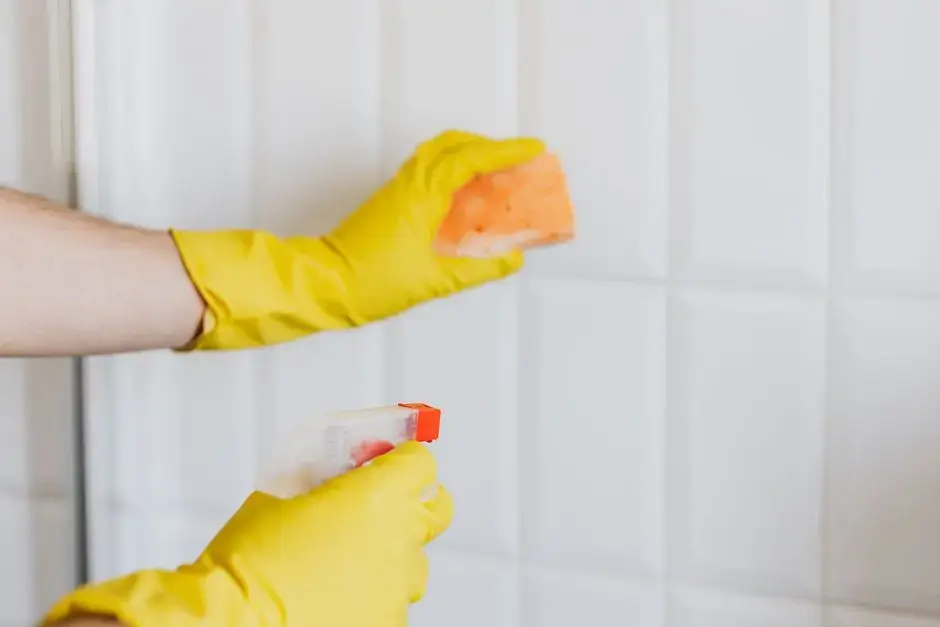
The right products and tools can make all the difference in maintaining cleanliness with minimal effort. Here, we will recommend some effective cleaning supplies and how to use them smartly.
Start by investing in multifunctional cleaning products that are safe for both the environment and your school community. For instance, eco-friendly cleaners can effectively sanitize without harsh chemicals that may affect sensitive individuals. Emphasizing greener options can also serve as an educational tool for students, teaching them about sustainability in their daily lives.
Do not overlook the importance of having the right tools. Microfiber cloths and mops, for example, can clean surfaces more effectively and require less cleaning solution than traditional materials. It can make the cleaning process quicker and allows for thorough results, keeping your school environment not just clean, but also safer.
Evaluating and Adjusting Your Cleaning Plan
A cleaning plan is a living document and should be evaluated regularly. In this section, we will discuss how to gather feedback and make necessary adjustments to ensure continued success.
Consider setting up regular check-ins with staff to discuss what's working well and what might need tweaking. Providing a simple feedback form can make it easy for teachers and students to share their observations and suggestions. This approach not only shows that you value their input but also fosters a culture of collaboration and improvement.
Moreover, don’t hesitate to make changes based on the feedback received. If certain areas are consistently noted as problem spots, adjust your cleaning schedule or techniques accordingly. The goal is to create an adaptable cleaning plan that evolves with the school’s needs, ensuring it remains effective and stress-free for everyone involved.
Final Thoughts on Stress-Free School Cleaning
By following these steps, you can create a school cleaning plan that not only keeps your environment tidy but also involves staff and students in the process, making it part of the school culture. Maintaining a clean school should not be a source of stress, and with a well-structured plan, it can even become a collaborative and enjoyable effort.


Comments